




For over twenty years, we’ve been providing residential plumbing, offering an array of services to help you get your life back to normal as quickly as possible. From hot water to slab leak detection, we’re ready to help.
Learn about the complete range of services offered by GPS Plumbing, or call us right now!
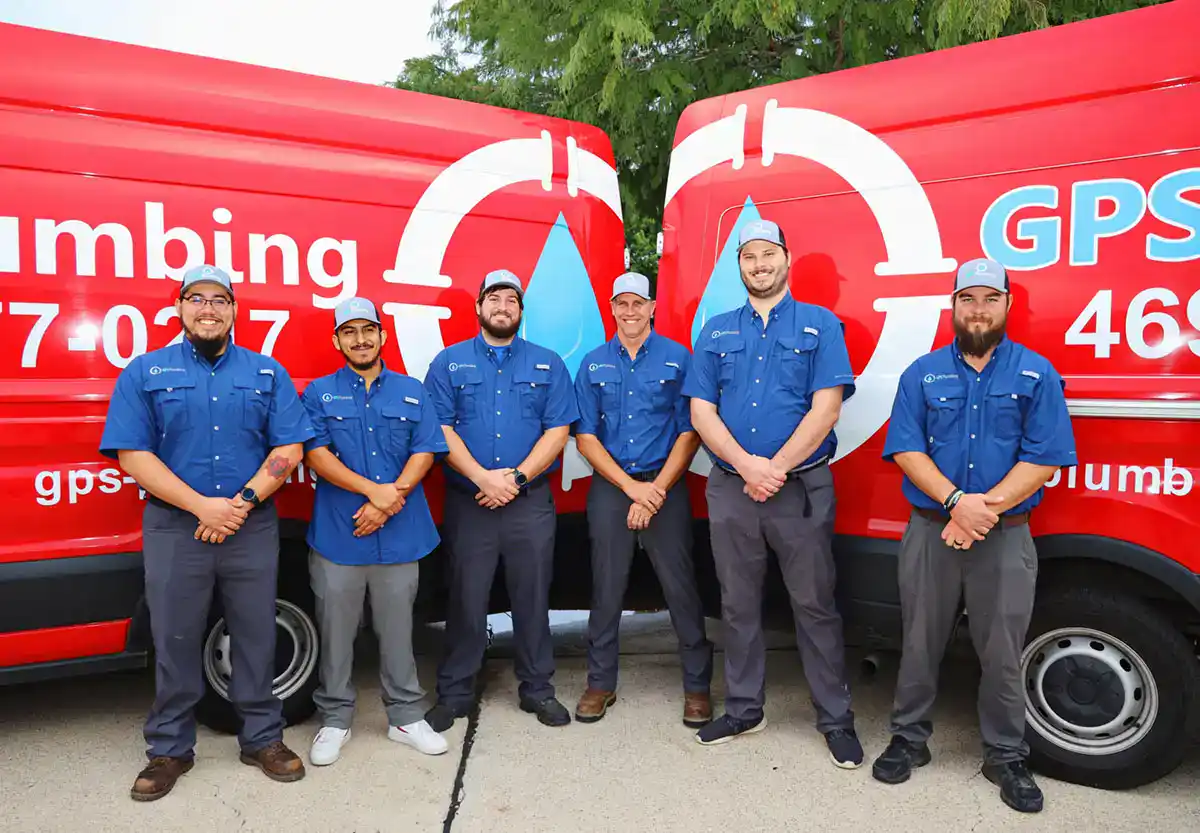

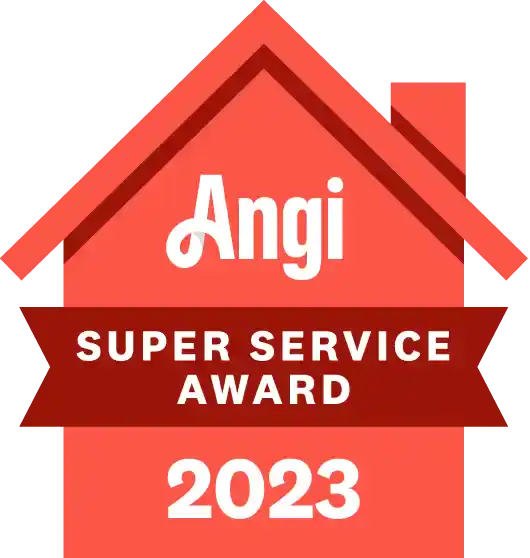


The GPS Plumbing team is proud to have served Frisco and the surrounding area for 20+ years. Our exemplary reputation is based on our dedication to complete customer satisfaction, and the record proves it. We’ve received Angi.com’s Super Service Award for multiple consecutive years, an honor that’s only given out to the top 5% of professionals!
At GPS Plumbing, we’re focused on residential plumbing and work hard to make sure your home life gets back on track as quickly as possible. We know how stressful it can be to have something go wrong with your pipes, gas lines, and fixtures, and that’s why we ensure that every member of our plumbing team is someone you can have confidence in.


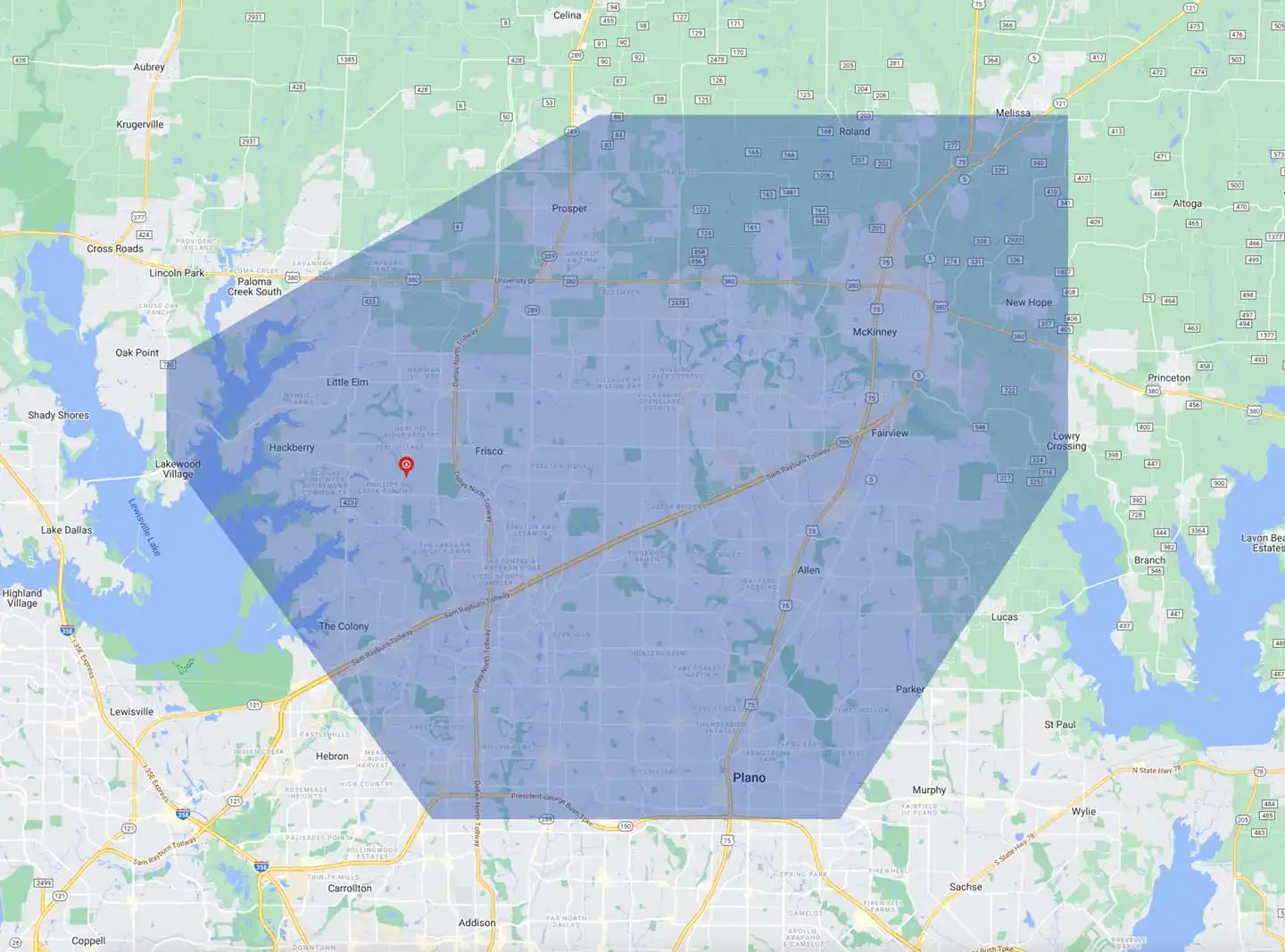
As a trusted locally owned and operated plumbing company, we are proud to provide reliable services to homeowners and tenants throughout Frisco and neighboring towns. Our experienced plumbers serve residential clients in Plano, Allen, The Colony, Little Elm, Oak Point, and other communities in Denton and Collin counties.
We’ve spent over 20 years building a reputation for reliable, affordable residential plumbing services across the North Dallas area. Here are just a few of our reviews.
Don’t waste a second. Call or schedule your appointment today!
We know that plumbing issues often come with many questions. To help you get the information you need when evaluating our services, we have put together some frequently asked questions and answers below. Feel free to contact us directly if you don’t see your specific question addressed.
Yes, as a local plumbing company focused on serving homeowners, we provide emergency services for issues like broken pipes, clogged drains, running toilets, and other problems requiring immediate attention.
We accept all major credit cards, checks, and cash. We also offer convenient financing plans through third party partners to help make any necessary plumbing repairs or upgrades more affordable.
Absolutely. We provide free estimates on all plumbing jobs so you know what to expect cost-wise before work begins. This allows you to budget properly and avoid unexpectedly high bills. Our upfront pricing also ensures transparency.
We’ve been helping families in Frisco and the surrounding area for more than a decade now and we look forward to taking care of your plumbing problems today.

GPS offers easy to acquire financing for all our plumbing services with Wisetack.


Master Plumber License | RMP 40372